Skylights have become a hallmark of modern architecture, seamlessly blending natural light with aesthetic appeal. They offer numerous benefits, including enhanced mood and energy efficiency.
Various styles cater to diverse homeowner preferences, each with unique features and materials. Understanding these elements is essential for selecting the right skylight.
As options expand, the journey to finding the ideal design may lead to unexpected insights about home illumination and atmosphere.
Skylights offer numerous advantages for modern homes, greatly enhancing both aesthetics and functionality. By allowing natural light to flood interiors, they create a more inviting atmosphere, reducing reliance on artificial lighting during the day. This influx of sunlight can also improve mood and overall well-being, contributing to a healthier living environment.
Furthermore, skylights can enhance energy efficiency. Properly installed skylights can help regulate indoor temperatures, reducing heating and cooling costs. They can also provide ventilation, allowing warm air to escape, which is particularly beneficial in areas like kitchens and bathrooms.
Additionally, skylights can increase a home's resale value. Prospective buyers often appreciate the modern appeal and light-filled spaces that skylights provide. To sum up, the benefits of skylights extend beyond mere aesthetics, offering practical advantages that contribute to a home's comfort, energy efficiency, and marketability.
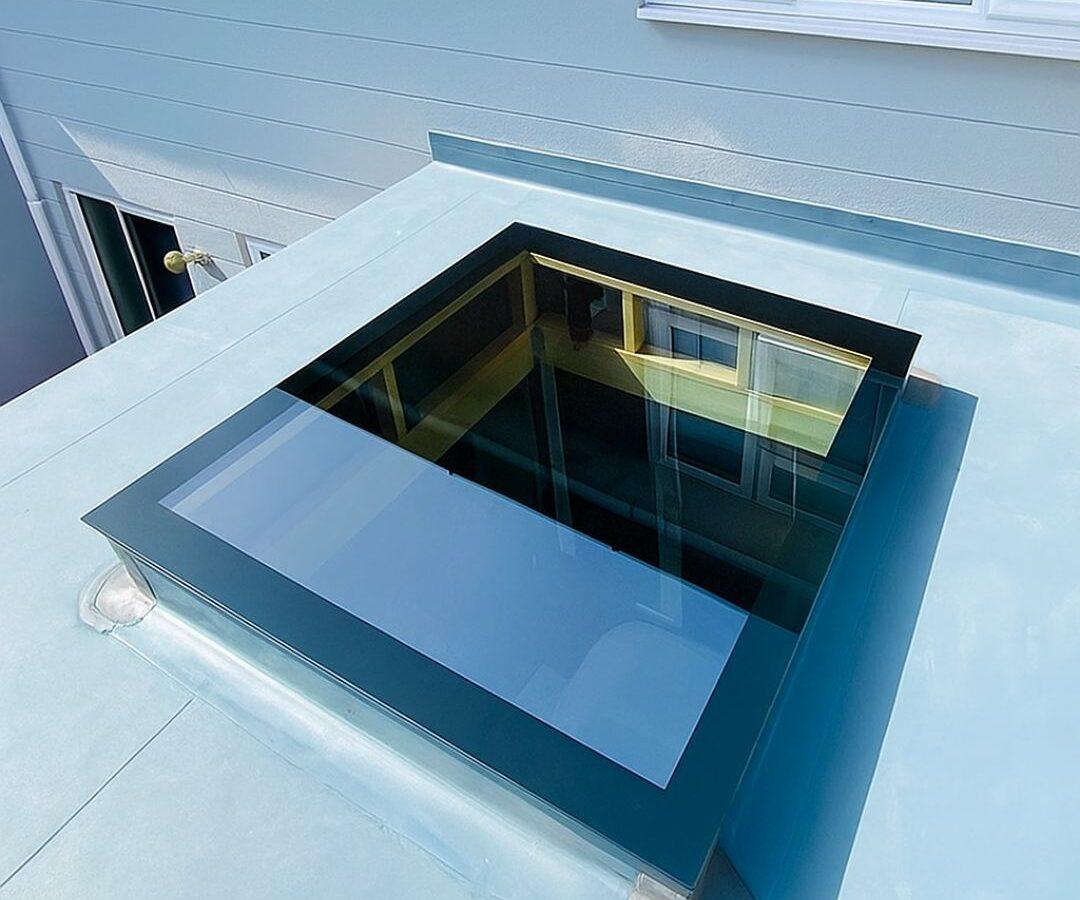
While many modern homeowners seek to enhance their living spaces with natural light, flat roof skylights offer a unique solution that blends style and functionality. These skylights are designed to fit seamlessly into horizontal roof planes, allowing for maximum light penetration without compromising the aesthetic of the home.
Available in various sizes and materials, they can be customized to suit individual preferences and architectural styles. Flat roof skylights not only illuminate interior spaces but also provide a contemporary look that aligns with minimalist design principles.
Furthermore, their installation can improve energy efficiency by reducing the need for artificial lighting during the day. Modern homeowners appreciate the versatility and elegance that flat roof skylights bring to their living environments.

When seeking innovative ways to enhance natural lighting in modern homes, tubular skylights emerge as an excellent choice. These compact systems consist of a dome-shaped top that captures sunlight, channeling it through a reflective tube to distribute light indoors.
Their design is particularly advantageous for spaces that may be difficult to illuminate with traditional skylights, such as hallways and closets. Available in various sizes, tubular skylights can be customized to fit diverse architectural styles while maximizing energy efficiency.
In addition, they often come with options for integrated ventilation systems, allowing homeowners to improve air circulation alongside natural lighting. As a modern solution, tubular skylights offer both functionality and aesthetic appeal, making them a preferred choice for contemporary living spaces.
Choosing the right skylight involves careful consideration of several essential features that can considerably impact both functionality and aesthetics. First, the size and placement of the skylight are vital; they should complement the room's dimensions and purpose while maximizing natural light.
Additionally, the type of glazing is important, as energy-efficient options can reduce heat loss and UV exposure. Ventilation is another key feature; operable skylights can enhance airflow, improving indoor air quality. Moreover, the frame material affects durability and maintenance.
Aluminum or vinyl frames are often preferred for their weather resistance. Finally, the skylight's style should harmonize with the home's architecture, whether it's a fixed, vented, or tubular design. By evaluating these features, homeowners can select skylights that not only elevate their living spaces but also contribute to energy efficiency and comfort.
Innovative skylight materials are transforming the way homeowners think about natural lighting. Traditional glass options are now complemented by advanced materials such as polycarbonate and acrylic, which offer enhanced durability and energy efficiency. These materials are lightweight, impact-resistant, and provide excellent insulation, making them ideal for various climates.
Additionally, smart skylights featuring built-in sensors allow for automated light control and temperature regulation. These systems utilize advanced glazing technologies that reflect excess heat while maximizing natural light intake. Another significant development is the use of photovoltaic glass, which can generate electricity while allowing sunlight to penetrate living spaces.
Furthermore, eco-friendly options, such as recycled glass and low-emissivity coatings, are gaining traction, aligning with sustainable building practices. As the market evolves, these innovative materials offer homeowners more choices, ensuring that skylights not only enhance aesthetics but also improve energy efficiency and comfort.
When determining the ideal skylight size for a modern home, several factors come into play that can greatly influence both aesthetics and functionality. The dimensions of the room, ceiling height, and overall architectural style are critical in this decision-making process.
Larger skylights can enhance natural light and create a more open atmosphere, but they may also require additional structural support. Conversely, smaller skylights can provide subtle lighting without overwhelming a space.
Homeowners should also consider the orientation and placement of the skylight, as this affects light distribution throughout the day. Ultimately, achieving a balance between size and proportion guarantees that the skylight complements the design while meeting the practical needs of the home.
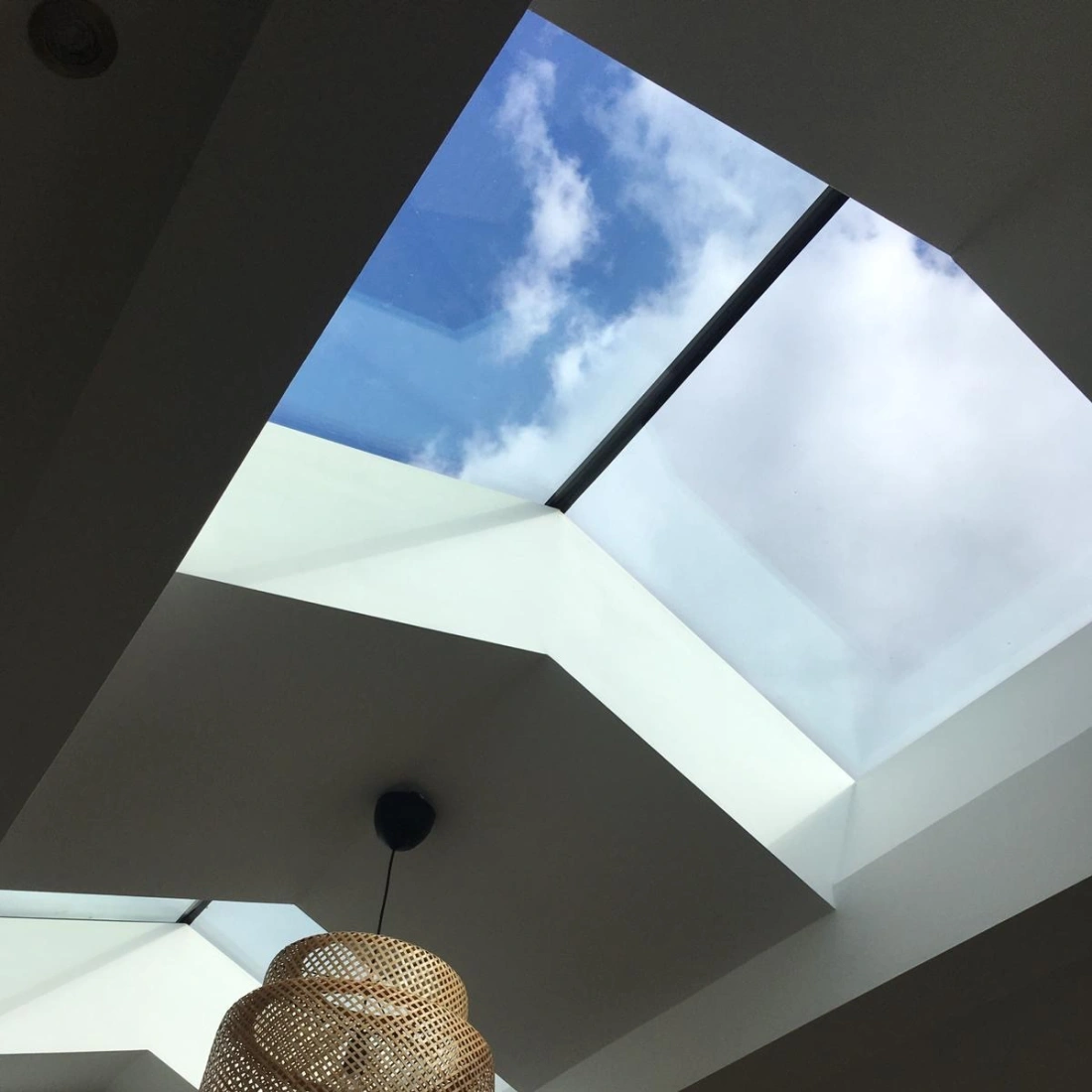
Skylights can positively impact resale value by enhancing natural light and aesthetic appeal, making homes more inviting. Potential buyers often appreciate the added brightness, which can lead to quicker sales and potentially higher offers.
Skylights can enhance a home�s resale value by increasing natural light and improving aesthetics. Prospective buyers often appreciate the added brightness and ventilation, making properties with skylights more attractive in competitive real estate markets.
To select the right size for a skylight, one should consider the rooms dimensions, ceiling height, and desired light levels. Consulting local building codes and professional guidelines can further guarantee ideal placement and functionality.