
DIY rooflight installation offers homeowners a unique opportunity to enhance their living spaces. By allowing more natural light and improving energy efficiency, rooflights can markedly transform a home's atmosphere.
However, the process requires careful planning and execution. From selecting the right product to ensuring proper insulation, each step is vital.
Understanding common pitfalls can also make a difference. What essential techniques and considerations should homeowners keep in mind for a successful installation?
When selecting the ideal rooflight for a home, homeowners often wonder how to balance aesthetics with functionality. The choice of rooflight can greatly influence both the interior ambiance and the exterior appearance of the property.
Homeowners should first consider the style of their home; contemporary designs may benefit from sleek, modern rooflights, while traditional homes might suit more classic options. Next, the size and placement are vital. Larger rooflights can brighten up spaces but may require additional structural support.
Homeowners should also evaluate the energy efficiency of the rooflight, as well-insulated options can reduce heating costs. In addition, factors like UV protection and ease of maintenance are fundamental considerations. Ultimately, selecting the right rooflight involves weighing personal preferences against practical needs, ensuring that the chosen solution enhances both the aesthetic appeal and the living experience within the home.
Before initiating a DIY rooflight installation, one must gather the essential tools and materials to guarantee a smooth process. A reliable tape measure is vital for accurate measurements, while a circular saw or jigsaw is needed for cutting the roof opening.
A level confirms that the rooflight will be properly aligned, and a cordless drill facilitates the installation of screws. Safety equipment, including goggles and gloves, is imperative to protect against potential hazards.
Additionally, a utility knife will assist in trimming any excess materials. Finally, having a sturdy ladder on hand is essential for accessing the roof safely. Collecting these tools in advance will streamline the installation process and enhance efficiency.
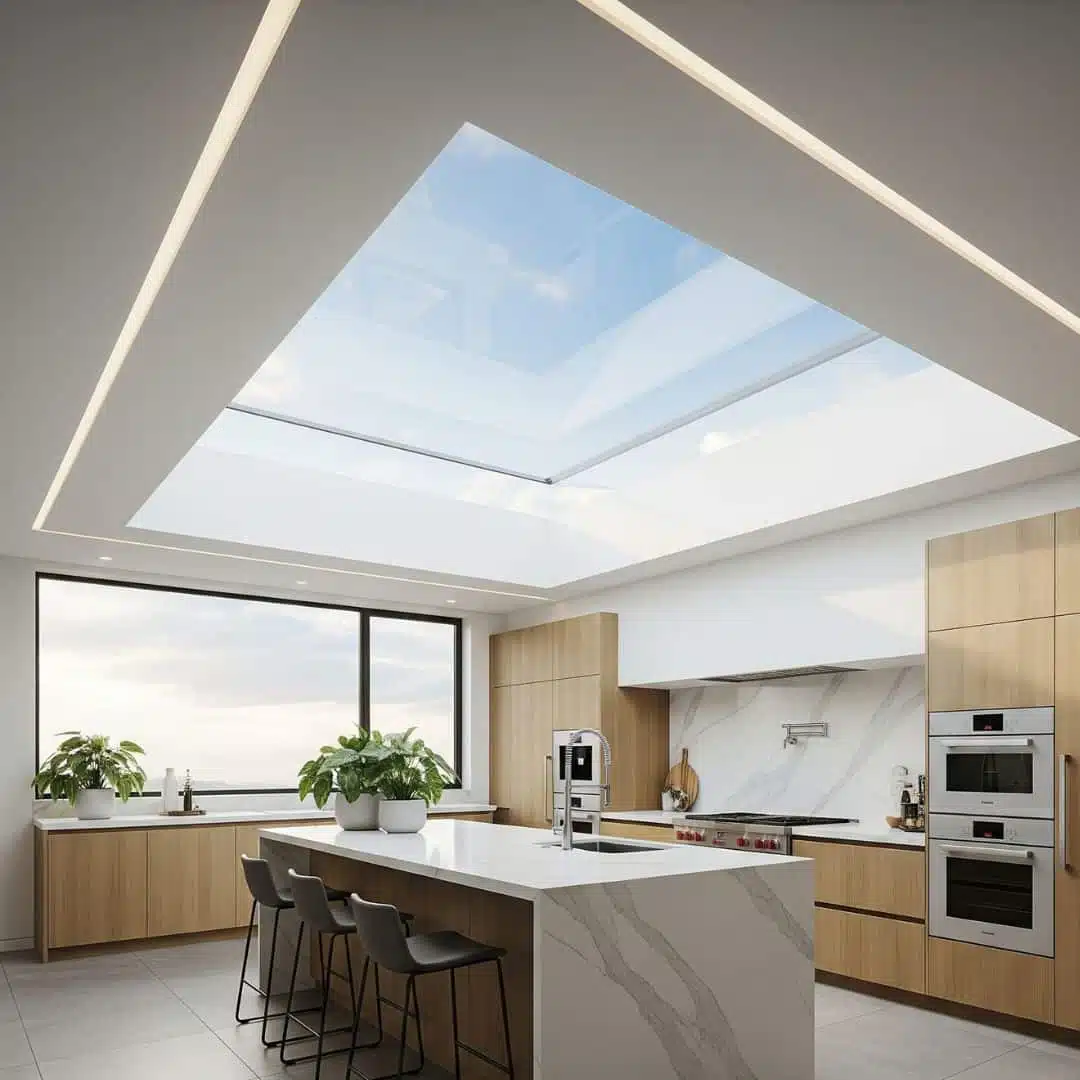
A thorough materials checklist is crucial for a successful DIY rooflight installation. Homeowners should begin by gathering the rooflight unit, confirming it matches the predetermined dimensions. Next, quality flashing and sealant are essential for waterproofing.
A selection of screws and nails, appropriate for the roofing material, will secure the installation. Additionally, homeowners will require a sturdy ladder for access and a utility knife for cutting roofing materials if necessary.
A caulking gun will facilitate the application of sealant, while a measuring tape guarantees precise fitting. Finally, roofing felt may be needed to provide an extra layer of protection. By assembling these materials beforehand, homeowners can streamline the installation process and enhance the overall outcome.
Proper safety equipment is essential for anyone undertaking a DIY rooflight installation. First and foremost, a sturdy pair of work gloves protects hands from sharp edges and debris. Safety goggles are critical for shielding eyes from falling materials and dust.
A hard hat should be worn to prevent head injuries during the installation process. Non-slip footwear is recommended to guarantee stability on the roof surface. Additionally, a harness and safety ropes are important for preventing falls, especially when working at heights.
A first aid kit should always be on hand for emergencies. Finally, using a sturdy ladder is necessary for safe access to the roof. By equipping oneself with the right safety gear, risks can be considerably minimized during this project.
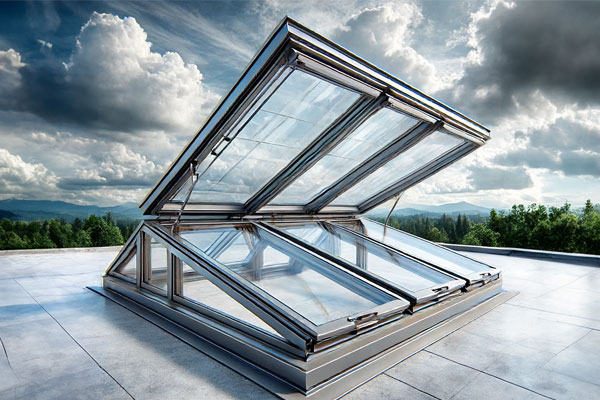
Successful rooflight installation requires a well-prepared toolkit and specific materials to guarantee a seamless process. Essential tools include a measuring tape, spirit level, circular saw, and a drill with appropriate bits.
Safety equipment such as gloves, goggles, and a hard hat is also vital to ensure personal protection during the installation. Materials needed typically consist of the rooflight unit itself, flashing, roofing adhesive, and sealant. It's important to choose high-quality materials that are compatible with the existing roofing system.
Additionally, having roofing felt and screws on hand will prove beneficial. Preparing this toolkit and gathering the necessary materials ahead of time can greatly streamline the installation process and reduce potential complications.
Before commencing a rooflight installation, careful preparation and planning are essential to guarantee a smooth process. Homeowners should begin by examining the location for the rooflight, ensuring it receives adequate natural light while avoiding structural obstacles.
It is vital to consult local building regulations and obtain necessary permits to comply with safety standards. Creating a detailed installation plan, including measurements and materials needed, will help streamline the project.
Additionally, homeowners should evaluate the weather forecast to choose an ideal installation day, minimizing interruptions. Finally, ensuring all tools and materials are organized and easily accessible will facilitate a more efficient workflow, ultimately leading to a successful rooflight installation.
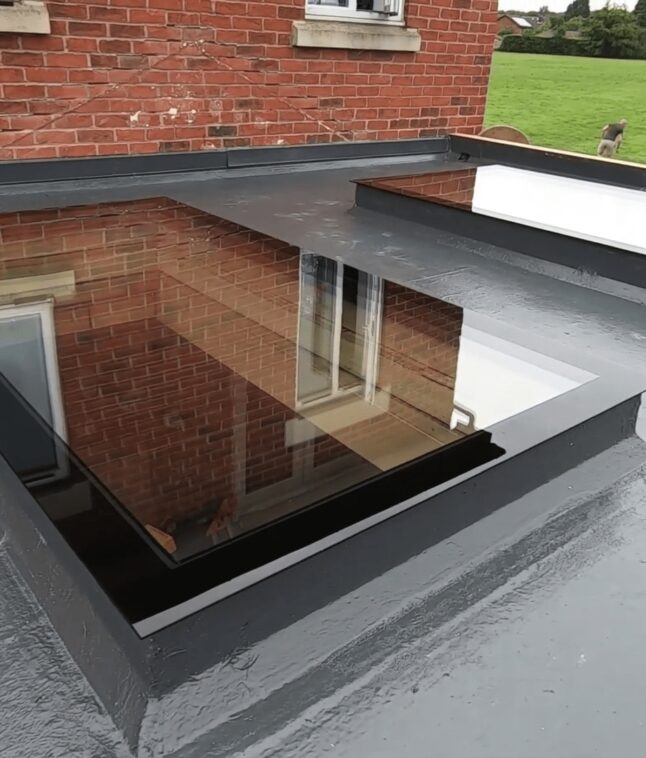
Rooflights can influence home insurance policies, potentially increasing premiums due to enhanced risk factors like leaks or break-ins. However, they may also improve property value, prompting insurers to evaluate additional benefits when reviewing coverage.
Rooflights are indeed suitable for both residential and commercial buildings. They enhance natural light and ventilation in various structures, making them a versatile choice for architects and builders aiming to improve interior environments.
Yes, many rooflights can be opened for ventilation. They often feature mechanisms like hinges or electric motors, allowing users to control airflow, thereby enhancing indoor comfort and air quality while utilizing natural light effectively.